
RFID warehouse system with automated replenishment
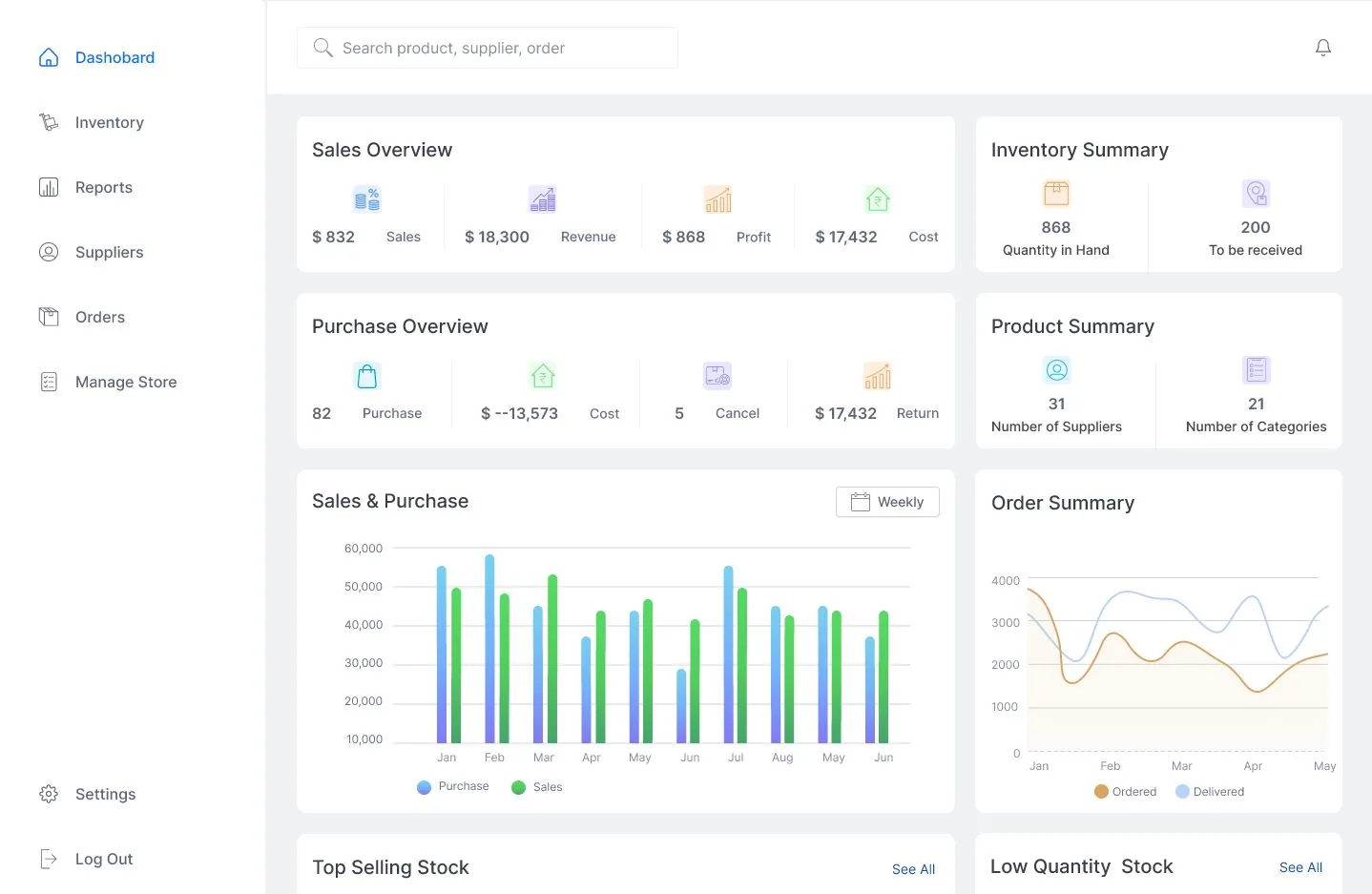
We built an IoT warehouse system for an online retailer over 24 weeks, connecting RFID and shelf sensors to purchasing and stock control. Staff could follow movements as they happened and manage replenishment and expiry across four warehouses.
Screens
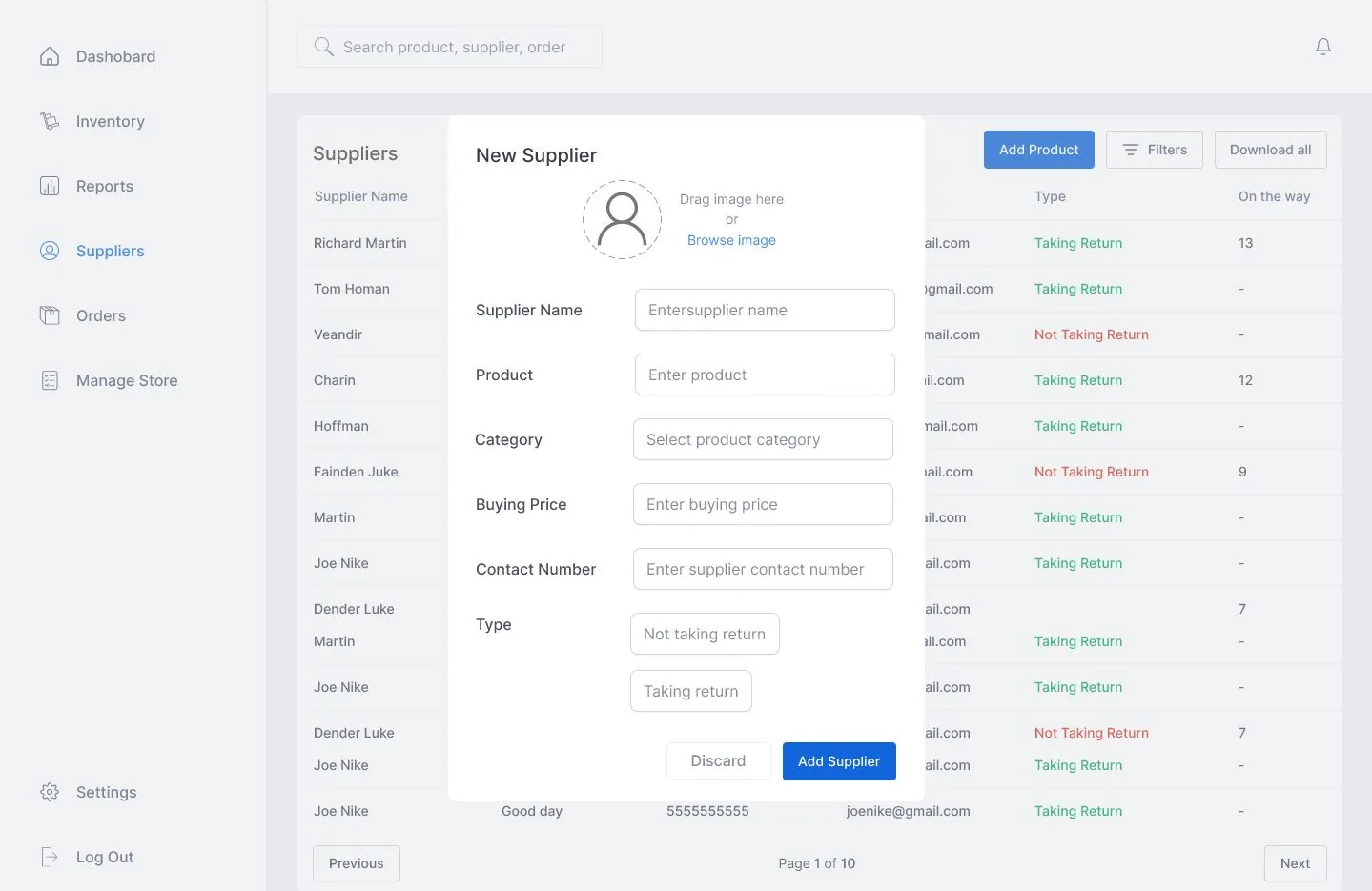
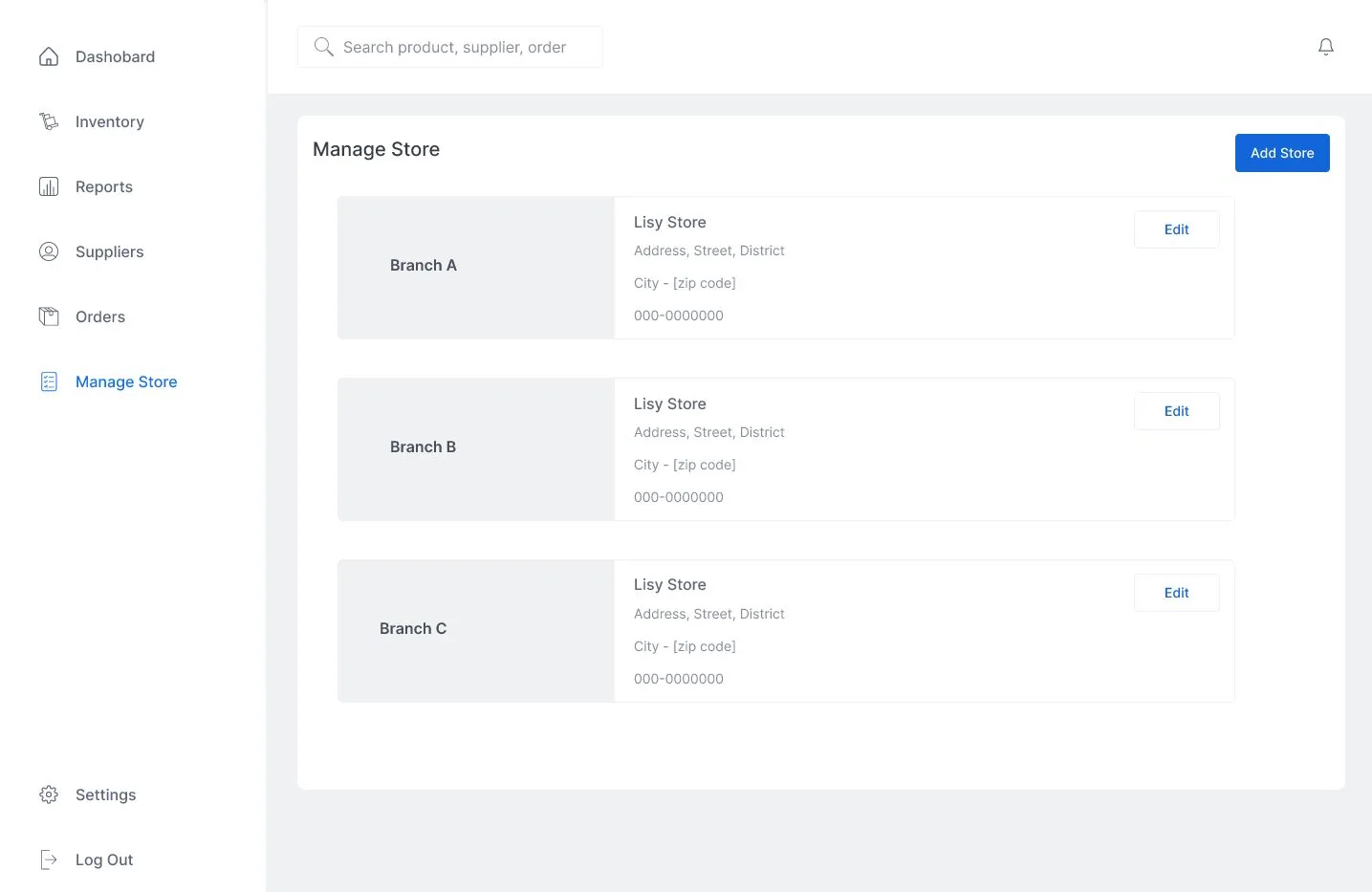
The challenge
Stock records were accurate after a count but drifted between counts. Purchasing discovered shortages too late, while slow-moving items tied up cash and expiry dates passed unnoticed.
Our approach
Readers and sensors record movements in a shared ledger. Per-SKU thresholds raise purchase orders automatically, with low-stock and expiry alerts attached to the item. We used turnover with a seasonal adjustment after a category-level forecasting model failed to improve on the buyer's judgement.
Outcome
- Live stock records holding within about 4% of a physical count
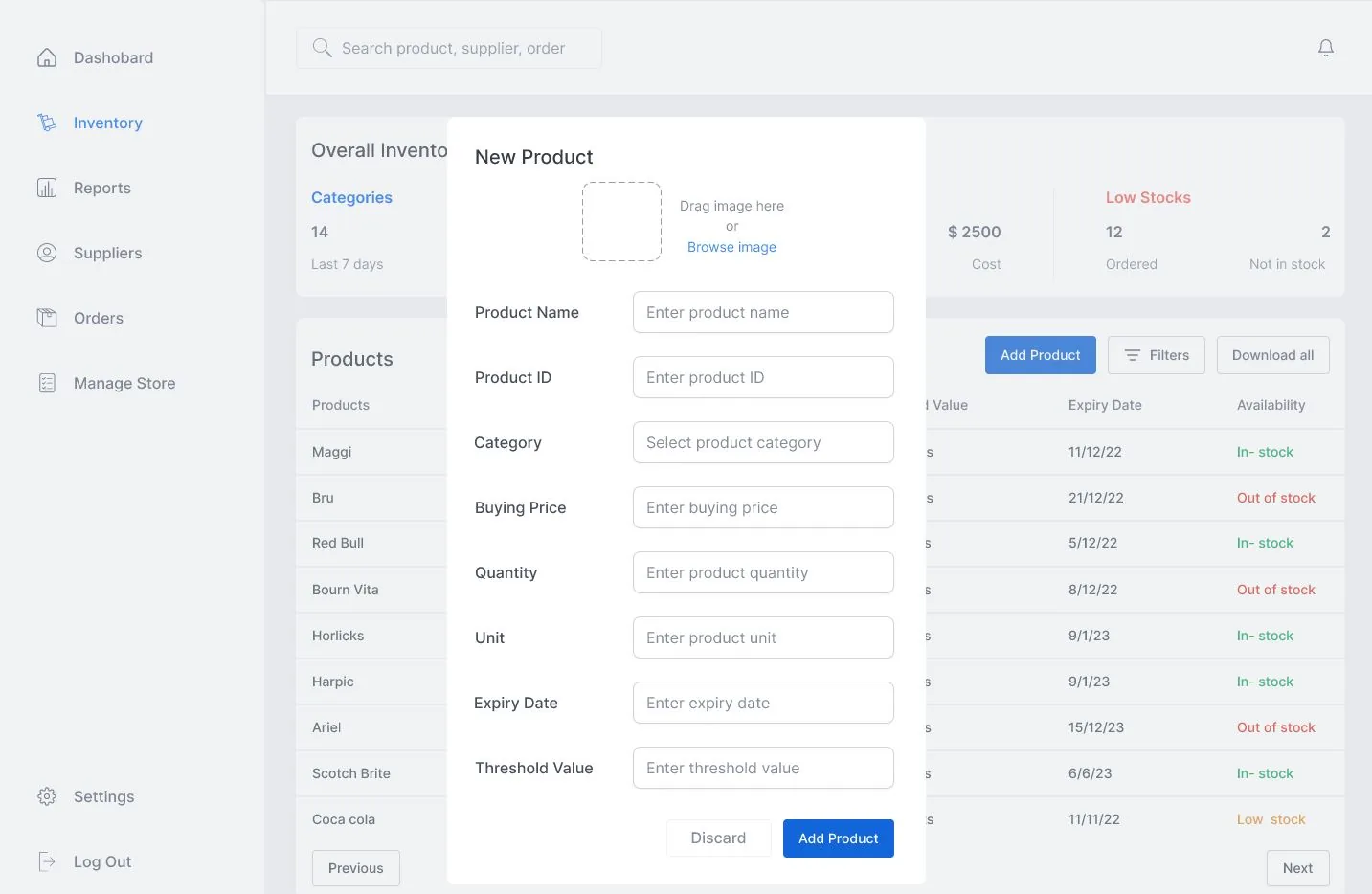
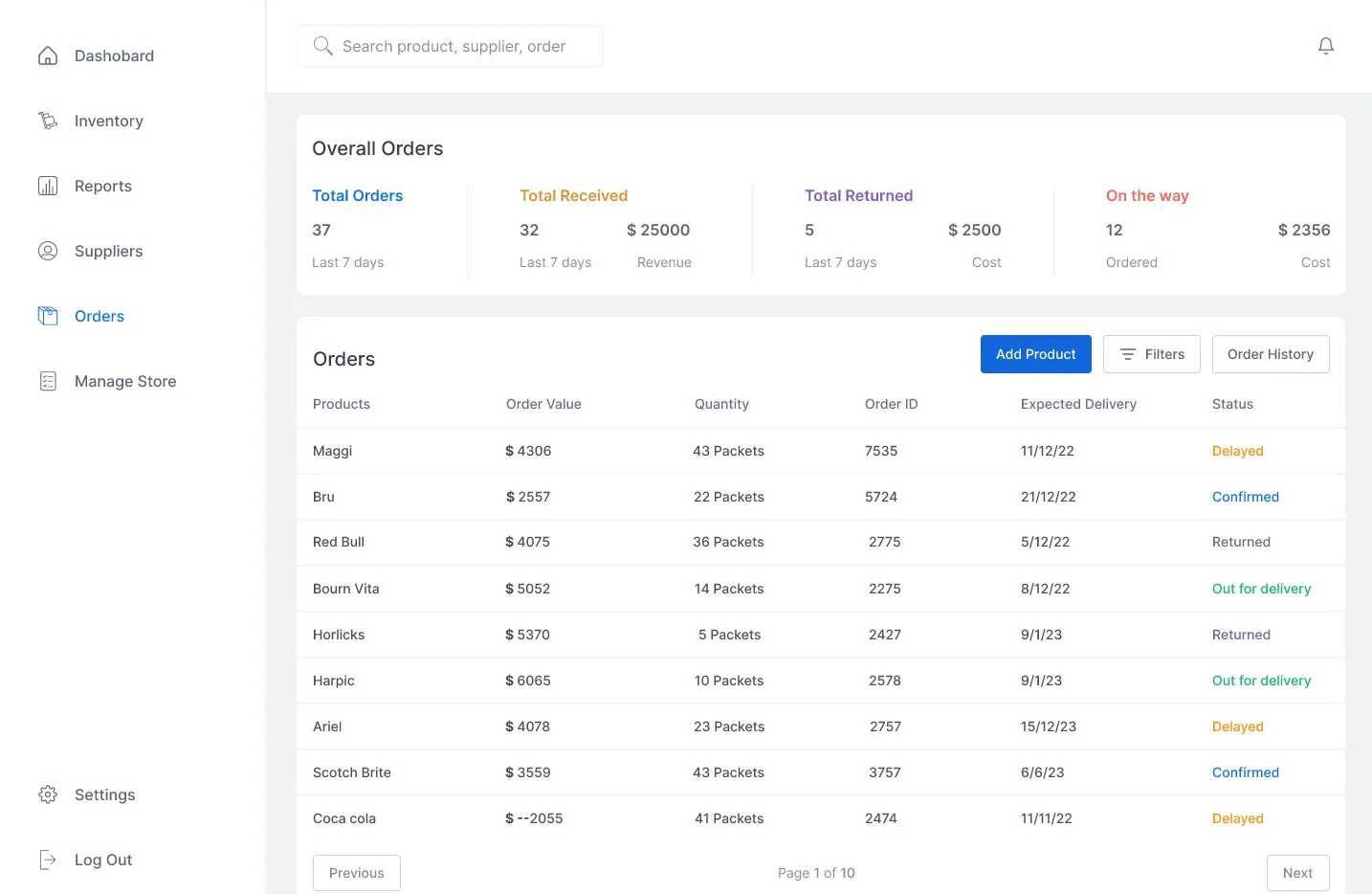
- Purchase orders raised at per-SKU thresholds, with low-stock and expiry alerts
- Fast-mover stockouts reduced by 38% across the first two quarters
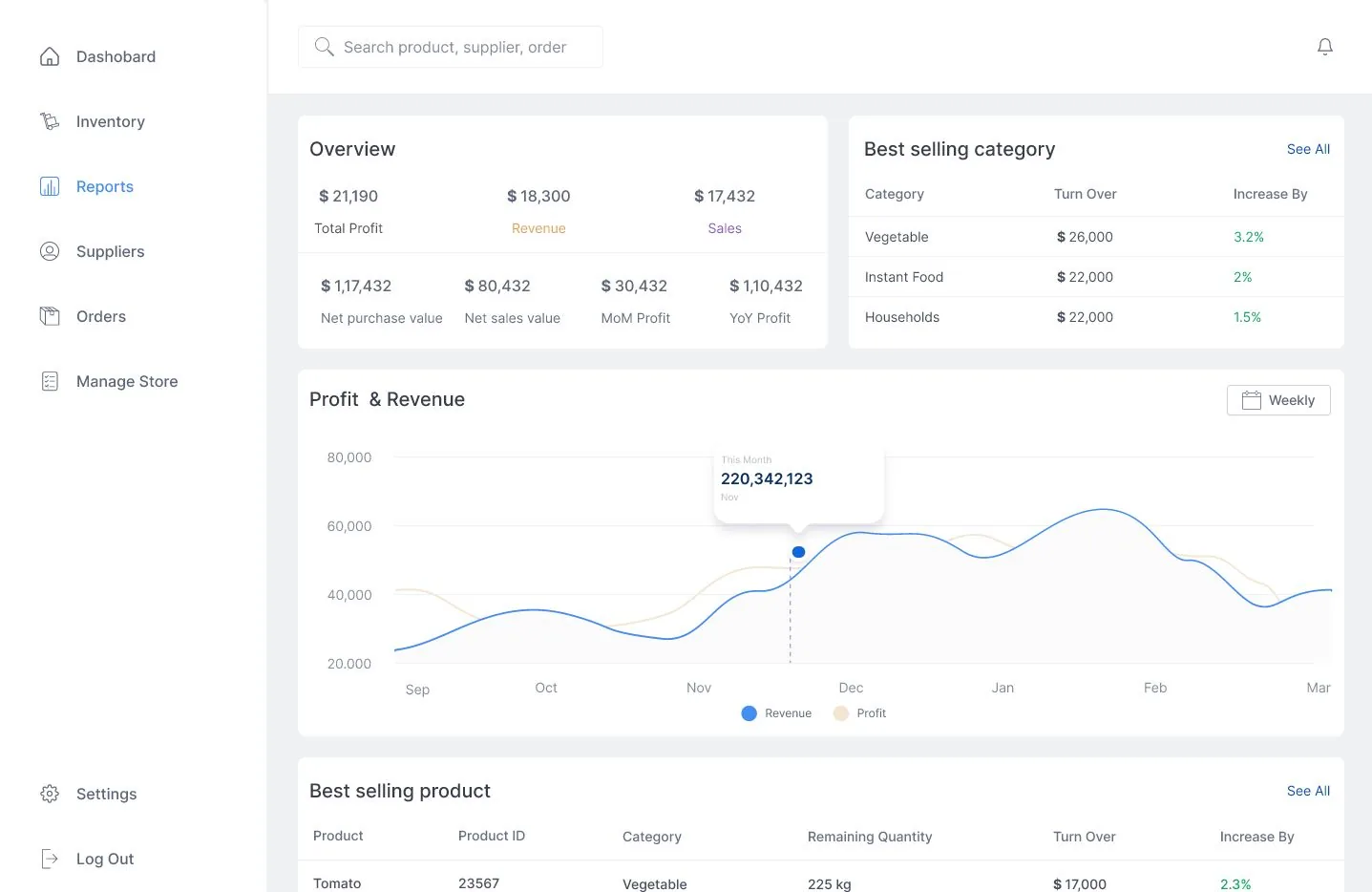
- Stock and turnover reporting across four warehouses and the stores they supply
“We have not counted a full shelf by hand since spring, and purchasing argues about strategy now instead of numbers. The forecasting turned out less clever than we expected and more useful.”Nouf Al-Harbi — Purchasing manager, Rafeef Retail
Original interfaces and workflows are protected by NDA. Images are UI recreations using synthetic data and figures. Client identity is shared with permission.